
The Essential Role of the Payments Gateway in Secure Digital Commerce
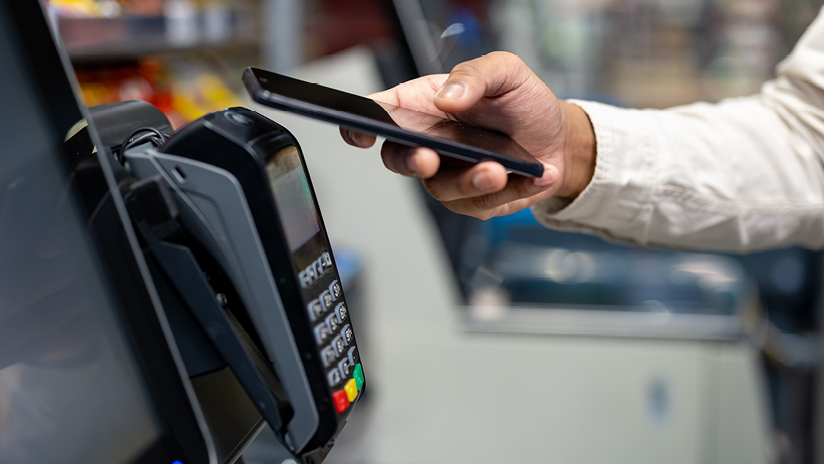
The Payments Gateway is the critical, secure bridge that connects a merchant’s platform or a bank’s mobile payments app to the financial networks that authorize and process a transaction.
In the complex chain of modern payment processing, the payments gateway plays the non-negotiable role of security and encryption. It ensures that sensitive customer data—such as credit card or account information—is captured safely, tokenized, and sent securely to the processing entity. Without a robust payments gateway, digital commerce, including the high-volume environment of RTP payments, cannot function securely or reliably.
Payment Gateway in the RTP and Mobile Ecosystem
In the era of Real Time Payments (RTP) and widespread mobile payments adoption, the payments gateway is more important than ever:
Enabling Mobile Wallets: For a bank’s payment solution to integrate with a customer’s digital wallet, the gateway must handle tokenization and secure transmission of the payment credentials, allowing for frictionless, instant transactions.
Connecting Channels: The payments gateway is the point where various customer-facing channels—e-commerce, mobile apps, or B2B platforms—interface with the bank’s core payment system, ensuring uniform security standards across all channels.
Facilitating IPR-Ready Transactions: The gateway must be fast and resilient enough to ensure the transaction request is passed to the RTP payments processor instantly, without introducing latency that would jeopardize the IPR’s 10-second rule.
Gateway vs. Processor: Clarifying the Payment Chain
The payments gateway is often confused with the payment processor, but they perform distinct roles in payment processing:
| Component | Function | Role in the Transaction |
| Payments Gateway | Security & Transmission. | Encrypts the data, routes the transaction request from the customer interface to the processor. |
| Payment Processor | Execution & Settlement. | Communicates with the acquiring and issuing banks to authorize the transaction and eventually settle the funds. |
The gateway is the digital conduit, while the processor is the operational engine that handles the clearance and settlement of the RTP payments.
Security and Compliance
A modern payments gateway is vital for compliance. It includes crucial security features like encryption and tokenization to meet strict PCI DSS (Payment Card Industry Data Security Standard) requirements. Furthermore, it must be integrated seamlessly with the bank’s fraud monitoring systems to provide real-time data for risk assessment during high-speed RTP payments.
A Strategic Investment
Choosing a reliable and scalable payments gateway is a strategic investment in the bank’s future, enabling seamless mobile payments and efficient payment processing while maintaining rigorous security standards.
Is your current payments gateway slowing down your RTP Implementation and limiting your mobile payments strategy? Partner with Samlink to integrate a high-performance payment solution into your core architecture.
Find out more about our services
For the full picture on payments infrastructure, read our comprehensive guide: The Complete Guide to IPR Compliance and Real-Time Payment Modernization for European Banks