
Christian Eichin is Building Security with People
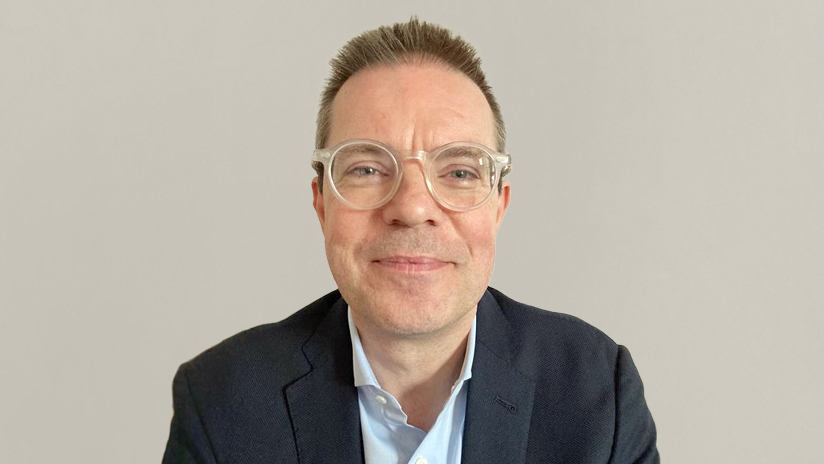
For Christian Eichin, cybersecurity is not just defense, it’s a mindset. As Samlink’s CISO, he believes in a security culture, where people ask questions, share responsibility, and learn together. Technology matters, but trust, openness, and collaboration matter even more.
When Christian Eichin joined Samlink in the spring of 2025, his approach to security leadership was clear from day one: cybersecurity is a shared responsibility. Instead of a separated function that dictates rules from the outside, he sees security as something built together, inclusively and holistically.
“Security starts with every single one of us. It’s not something implemented only by the security team, it’s implemented by everyone who understands the necessity and urgency of it,” Christian states.
Inclusive Leadership is About Bringing People with You
Christian describes his leadership philosophy as inviting people into the journey rather than guarding the perimeter alone. Mistakes aren’t something to hide, but something to learn from. He refers to Samuel Beckett’s well-known words:
“Ever tried. Ever failed. No matter. Try again. Fail again. Fail better.”
The mindset is not about zero-tolerance perfection, but about creating confidence, learning and improvement.
“You need to take everyone with you and be attentive to people’s needs. Mistakes happen and that’s normal, but we should learn from them rather than repeat them.”
Before joining Samlink, Christian worked in banking and insurance environments, where the tolerance for downtime is also extremely low. That experience has strengthened his belief that security must be tied closely to business fundamentals, not just technology.
“In banking, business processes must be up again in a very short time. If they break, you’re out of business. You need to understand the business foundations before you can improve security.”
From this perspective, proactive preparation becomes essential. Testing must resemble real incidents as closely as possible to give people confidence that recovery plans work not just on paper, but in practice.
“You need to prove that you’re ready. Close-to-real-life testing will become more important without interrupting live services, but close enough to validate that recovery truly works.”
Evolving Threat Landscape and the Rise of AI
In his first months at Samlink, Christian has already seen threat behavior change rapidly. Attackers learn faster, automation increases, and AI is reshaping both defense and offence.
“The pace and quantity of incidents is increasing. Attackers learn just as fast. That shifts how we need to respond, detect and prepare.”
He believes future-ready security organizations will be those able to combine automation, AI-powered detection, and human judgement.
“AI will handle a lot technically, but critical thinking won’t disappear. Asking why, challenging assumptions, that mindset will remain essential.”
Culture of Openness Allows to Speak up Without Fear
For Christian, maturity of security is visible not just in technology stacks, but in how freely people talk about risks. Reporting issues should never feel like criticism. It is more like an act of responsibility.
“People should feel free to speak up about risks without fear. It’s not about pointing fingers, it’s about improving security.”
His goal is simple, but powerful:
“If people say yes to security, not as a burden, but as part of their work, that’s already a big success.”
Christian sees his role as a bridge between Samlink and Kyndryl: he is connecting practices, cultures and expertise.
“I consider myself in a bridge-building role between two worlds. I am bringing strengths together to create something even stronger.”
This means facilitating conversations across teams, aligning practices, and enabling shared learning.
Christian’s first months have confirmed his core belief: technology alone is not enough. The strongest security comes from people who understand their role, communicate openly, and learn continuously.
Cybersecurity is not a gate at the end. It is a mindset at the beginning.
And that is the culture he is here to build.